
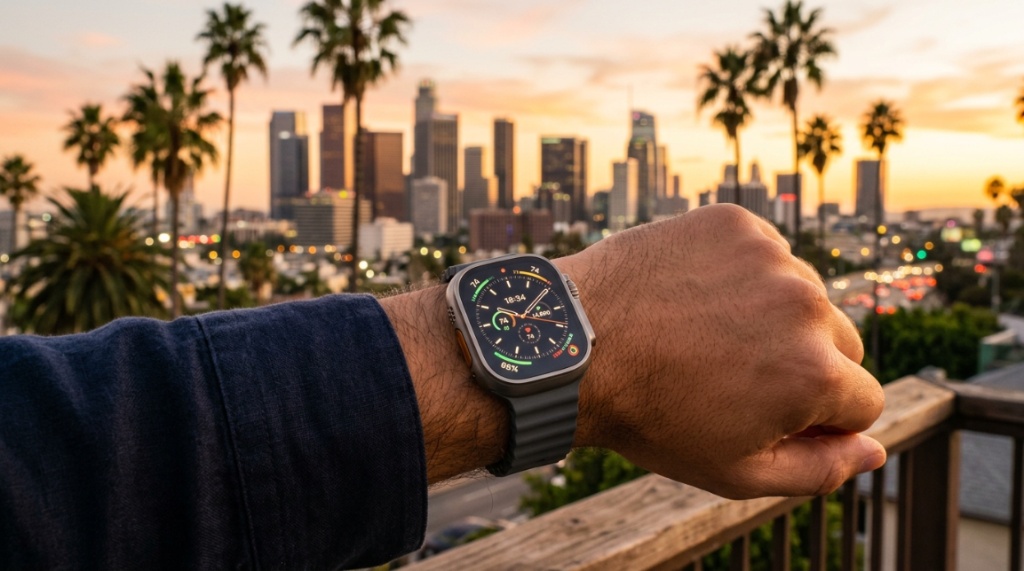
Picture this: you are standing in a sunlit Apple Store in Palo Alto or browsing a boutique shop in Beverly Hills, staring at a glass case filled with gleaming wearables that cost more than a used car. Your phone buzzes with notifications, your fitness app nags you about your step count, but the real dilemma is sitting on your wrist—or rather, *not* sitting there yet. You want more than just a notification machine. You want a statement piece that reflects your success, tracks your health with clinical precision, and actually holds its value. But here is the problem: the market is flooded with options, spec sheets read like alphabet soup, and one wrong choice means dropping serious cash on something you will regret by the holiday season. Most people in California—from LA tech founders to Napa Valley winemakers—face the same confusion when searching for the top luxury smartwatches in California. They end up buying based on brand hype rather than real-world comparison, missing out on features that actually matter for their lifestyle. This guide cuts through the noise, giving you a transparent, side-by-side framework to evaluate the cream of the crop. We will break down display quality, battery endurance, health tracking, ecosystem compatibility, and even resale value—so you can make an informed decision instead of an impulsive one. No fluff, no vague marketing claims. Just actionable comparisons that matter.
What Defines a Smartwatch as “Luxury” in Today’s Market?
A luxury smartwatch goes beyond mere functionality; it merges premium materials, haute horology-inspired design, and advanced technology in a single wearable package. In California’s discerning market, luxury means a device priced above $800, often featuring sapphire crystal displays, titanium or ceramic cases, and exclusive software integrations that standard models lack.
A true luxury smartwatch must satisfy three core criteria: craftsmanship, exclusivity, and performance. It is not just about slapping a gold band on a standard tracker. Think of it as the difference between a mass-produced sedan and a hand-built grand tourer—both get you there, but the experience is worlds apart.
Material Quality and Build Craftsmanship
The case material is your first indicator. High-end models utilize aerospace-grade titanium (weighing roughly 20% less than steel), scratch-resistant sapphire crystal, or lightweight ceramic. In California’s active climate, consider how these materials handle heat and sweat. Titanium resists corrosion from saltwater, making it ideal for coastal living from San Diego to Santa Cruz. Ceramic, while stunning, can crack under sharp impact. Stainless steel remains a classic choice but adds noticeable weight during long runs.
Looking to complement your tech setup for your fitness routine? Check out our guide to help you Compare Top True Wireless Earbuds for Workouts.
Exclusivity and Brand Heritage
Luxury is as much about perception as it is about specifications. Brands like Apple and Samsung offer “premium” tiers, but true luxury combines watchmaking heritage (like TAG Heuer or Montblanc) with digital prowess. These brands offer limited editions—often numbered or engraved—that appeal to collectors. In California, where tech meets fashion, this heritage factor can be a decisive differentiator for those who view their watch as an heirloom.
Software Experience Beyond the Hardware
Premium pricing should buy you superior software. This includes seamless gesture controls, advanced watch faces with complications, and proactive health insights. Standard smartwatches notify; luxury units *predict*. If your watch can alert you to potential atrial fibrillation or track your recovery metrics with medical-grade accuracy, it justifies the premium price point. The software must feel as refined as the physical bezel.
Which Luxury Smartwatch Brands Dominate the California Market?
The California market is currently led by three heavyweights: Apple (specifically the Ultra line), Samsung (the Galaxy Watch Ultra), and traditional Swiss brands with digital offerings like TAG Heuer and Montblanc. Each brand commands a distinct demographic, influenced by ecosystem loyalty and lifestyle priorities.
Apple dominates Silicon Valley and creative industries due to its unmatched ecosystem; Samsung appeals to Android purists with its rugged, no-compromise build; and TAG Heuer is the choice for those who want a genuine mechanical watch aesthetic without losing smart connectivity.
Apple Watch Ultra: The Tech-First Standard
The Apple Watch Ultra is the benchmark for those seeking the top luxury smartwatches in California that prioritize function. The rugged titanium case screams durability, while its 3,000-nit display is readable in direct Death Valley sunlight—twice as bright as standard models. The integration with iOS for health and fitness is unparalleled, especially for those who use Apple Fitness+ or track trends rigorously. However, its aesthetic remains sporty; it pairs well with a wetsuit but looks out of place in a Silicon Valley boardroom.
Samsung Galaxy Watch Ultra: The Android Powerhouse
Samsung’s answer is a direct assault on Apple’s dominance. It features a circular design, which appeals to traditional watch wearers. The battery life is superior—often lasting three days—which is a significant advantage for travelers. Its BioActive sensor is aggressive in health tracking, offering comprehensive sleep and body composition analysis. The key drawback is the “Apple lock-in” effect reversed: it works best with Samsung phones, and some features are gated behind their proprietary apps.
TAG Heuer Connected: The Swiss Heritage Approach
For the purist, the TAG Heuer Connected Calibre E4 is the gold standard. It houses a genuine Swiss-made movement alongside digital components, offering an exclusive experience that starts around $2,400. The design mimics their luxury chronographs closely. It runs on Wear OS, which is functional but less fluid than Apple or Samsung operating systems. This is a purchase for the wrist better than the brain—it is about the feeling, the brand story, and the craftsmanship detail over raw specs.
| Brand | Price Range (New) | Battery Life | Key Differentiator | Best For |
|---|---|---|---|---|
| Apple Watch Ultra | $800 – $1,000 | 36-48 Hours | Ecosystem Integration | iPhone users, athletes |
| Samsung Galaxy Watch Ultra | $650 – $750 | 72-80 Hours | Battery & Circular Design | Android power users |
| TAG Heuer Connected | $2,400+ | 2 Days + | Heritage & Exclusivity | Collectors, fashionistas |
How Does Battery Life Compare Across Top Luxury Smartwatches?
Battery life is the biggest source of buyer’s remorse in California. There is nothing luxurious about scrambling for a charger before a work trip. You need a minimum of two days, but ideally, you want the watch to last through a week’s travel with a single charge adapter.
The honest truth: Apple offers the shortest endurance due to its power-hungry display, while Samsung leads the pack in pure staying power. However, the display trade-off is real—Apple’s screen is marginally better in color accuracy and brightness.
Daily Use vs. Adventure Modalities
Every luxury watch has a “battery saving” mode. Apple and Samsung reduce to a E-Ink-like display to stretch life to 60+ hours. TAG Heuer does this differently: it switches to a purely mechanical battery to keep the time running for days. If you are an adventure enthusiast in Yosemite or a hiker in the Sierra Nevada mountains, battery length cannot be compromised.
Charging Speeds and Convenience Features
Speed matters. Standard charging is frustrating at luxury prices. Apple charges fast—0 to 80% in about an hour. Samsung and TAG Heuer are slower. But Samsung offers a quirky, underrated feature: wireless power share. You can juiced the watch by placing it on the back of your Galaxy Phone—a lifesaver when you forget your charger in a hotel in San Francisco.
Optimization Settings for Better Endurance
You can extend any watch’s lifespan by tweaking settings. Disabling the “always-on display” boosts battery by 32% on average. In California’s sunny climate, a “raise to wake” gesture is often more practical than an always-on screen, which also prevents burn-in on OLED displays—a costly repair you want to avoid at these price points.
Why Is Display Quality and Visibility Crucial in California?
California’s intense sun, from the Mojave Desert to the beaches of Malibu, demands a screen that remains legible without squinting. A luxury smartwatch is worthless if you cannot read your notifications while driving down Pacific Coast Highway at midday.
Brightness is measured in nits. You want a minimum of 1,000 nits, though 2,000+ is ideal. The Apple Watch Ultra at 3,000 nits is currently the undisputed leader, but Samsung’s 2,000 nits is close enough to be a non-factor in most daylight conditions.
OLED vs. LTPO Display Technologies
Most modern luxury units use LTPO OLED panels. This allows the refresh rate to drop to 1Hz for an always-on display without killing the battery. It is a power-saving marvel. The Apple Ultra uses this to keep the display active in high-intensity workouts while preserving battery. When comparing, check for “ProMotion” or “Adaptive Refresh” in the spec sheet—this is the tech that makes luxury displays feel silky smooth.
Durability and Scratch Resistance of the Screen
Sapphire crystal is mandatory. It ranks 9 out of 10 on the Mohs scale (diamond is 10). This means it will resist scratches from keys, concrete, and even sand—critical for California beach-goers. However, sapphire is more brittle than glass; it can shatter under severe impact rather than crack. If you are a climber or skateboarder in SoCal, consider a protective lip built into the case design, like the raised bezel on the Apple Ultra.
Can a Luxury Smartwatch Replace a Dedicated Fitness Tracker?
Yes, but only if you choose the right model. The top-tier watches now rival dedicated devices from Garmin and Whoop in cardiovascular tracking accuracy, but they still lag in continuous battery life for extreme multi-day endurance events.
Modern luxury units feature dual-band GPS. This means they lock onto satellites with greater precision, even in dense urban canyons like downtown LA or heavily forested areas in Marin County. Your pace and distance data will be accurate enough for professional triathlon training.
Health Sensor Accuracy (Heart Rate and Blood Oxygen)
Accuracy is paramount. All top models use a multi-LED sensor array. The Apple Watch Ultra has a specific “SpO2” sensor and evolved temperature sensing for women’s health cycles. When comparing, look for FDA or CE clearance for specific features like ECG or AFib detection. However, remember these are medical-grade tools for screening, not diagnosis. Always confirm readings with a doctor before making health decisions.
Recovery and Sleep Tracking Precision
Recovery metrics are where Samsung and Garmin excel, but Apple has caught up with its “Training Load” feature. Sleep tracking is also a factor. Do you want to wear this heavy, expensive hunk of titanium to bed? The Apple Ultra is notorious for being bulky and uncomfortable for smaller wrists during sleep. If sleep tracking is critical, the Samsung Galaxy Watch Ultra is lighter and quieter on the wrist.
Automated Workout Detection for Various Sports
Whether you are surfing in Santa Cruz or cycling up Mount Tamalpais, the watch should auto-detect your activity. All three brands support this, but Apple and Samsung have the largest library of workout types. They automatically trigger the GPS and sensor suite when they sense a specific motion pattern, ensuring you never miss a workout log.
How Does Ecosystem Compatibility Affect Your Choice?
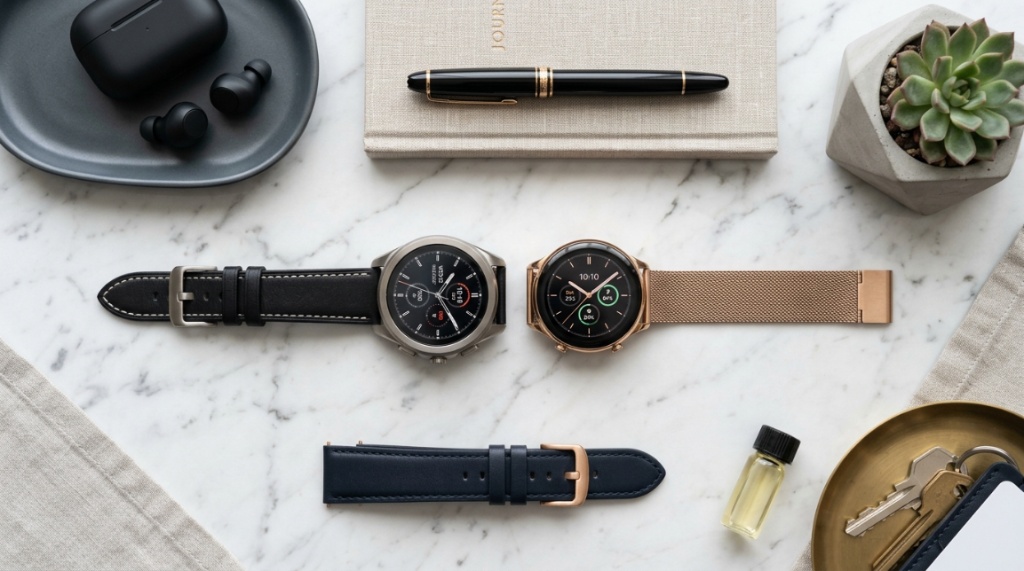
The operating system on your smartphone dictates your watch choice. This is the “walled garden” problem. An Apple Watch is incompatible with Android, and a Wear OS (Samsung/TAG) watch is a notification boat anchor when used with an iPhone.
This is usually the first filter in your decision process. Do not fight the ecosystem. If you have an iPhone, buy an Apple Watch. If you have a Samsung Galaxy, the Galaxy Watch Ultra is the obvious choice. If you are a “cross-platform” user who flits between Android and iPhone, the TAG Heuer is the best bet, though you miss out on premium features on both sides.
Notifications and Quick Replies in a Luxury Setting
How do you interact with emails and messages? On a luxury watch, this must be fluid. Apple’s built-in QWERTY keyboard and Taptic Engine are the gold standard. Samsung’s Swype keyboard is acceptable. TAG Heuer’s Wear OS feels more laggy for quick replies—a place where the heritage brand falls behind in daily practicality.
Application Store Availability and Exclusive Applications
The App Store (Apple) and Google Play Store (Wear OS) have different offerings. Apple has a larger ecosystem of golf, running, and meditation apps exclusive to it. In contrast, Wear OS is sparse on high-quality native apps, though Google Assistant integration is superior for hands-free queries.
When Is the Right Time to Buy a Luxury Smartwatch?
The right time to buy majorly influences the price you pay for these premium gadgets. With new flagship releases aligning with September events (Apple) and August events (Samsung), purchasing last year’s model during the holiday sales season can save you up to 30%.
If you prioritize having the newest generation for social status or the latest sensors, buy at launch. If you want a superior value, purchase the current model when the next generation is announced—the predecessor used to be marked down significantly in places like Best Buy or even the Apple Store’s clearance section.
Seasonal Sales and Trade-In Incentives
Retailers in California (like Best Buy, Target, and official brand stores) often offer gift cards up to $200 during Black Friday or Amazon Prime Day. Additionally, trade-in values for previous generations are very high in the first 30 days after a new release. If you have an older model, the upgrade cost is significantly mitigated.
Leasing and Refurbished Options
If you cannot stomach the full price, explore financing or refurbished sections like Apple’s Certified Refurbished store (which offers the same warranty). These watches are typically pristine but save you a bundle. However, battery health may degrade slightly—check if the battery warranty is extended.
Which Smartwatch Offers the Best Resale Value in California?
Apple watches hold their value best. The Apple Ultra series depreciates significantly less than Samsung or TAG Heuer due to massive demand and consistent updates. In fact, the used market in California is hot for Apple, maintaining up to 50% of its value after two years.
Samsung shares similar depreciation to other Android devices—steep in the first six months, then leveling off. TAG Heuer is a unique case: it is a luxury item, so depreciation curves mimic mechanical watches, but the technology inside becomes dated, making it hard to sell for near MSRP after even just one year.
Brand Demand and Software Update Support
Software updates dictate longevity. Pushing out updates is essential for keeping the watch functional. Apple is famous for supporting devices for 5–6 years, Samsung has now committed to 4 years of OS updates, and TAG Heuer often lags in update frequency. More updates equal a longer useful life, thereby increasing resale value.
Condition and Aesthetics for the Secondhand Market
The physical condition is everything. A titanium case with micro-scratches will sell faster online or at a brick-and-mortar reseller. However, the condition of the OLED screen is the main determinant of value. Dead pixels or burn-in images will severely diminish any buyer’s willingness to pay top dollar.
How Do Smartwatch Connectivity Features Enhance Daily Life?
Luxury watches must keep you connected even when you leave your phone at home. This involves robust cellular LTE support and Wi-Fi management, ensuring that notifications, messages, and even music streaming work seamlessly without your handset.
The immediate value is freedom. Leave your iPhone at the hotel pool or lock your Android in the car locker while you trail run—your watch becomes your anchor to the world. This connectivity is non-negotiable for this tier of device.
Using eSIM and Standalone Data Plans
All three brands support standalone eSIM (except TAG in some regions). You can add a secondary number or use “NumberSync” to mirror your primary phone. In California, major carriers—Verizon, AT&T, and T-Mobile—offer plans around $10-$15/month. Ensure your watch plan includes that data for music streaming maps without your smartphone.
Music Streaming and Offline Playback Features
Even with LTE, battery life suffers when streaming. A luxury watch must support offline playback to save power. Apple Music, Spotify, and YouTube Music all allow offline caching to the watch’s internal storage (usually 32GB to 64GB). This is a top priority for Californians who love outdoor workouts in areas without reception, like the western Sierra Nevada valleys.
Is Customization Important for Luxury Smartwatch Enthusiasts?
Absolutely. A luxury watch must fit your persona. The ability to swap straps and customize faces is what makes a smartwatch feel like *yours* rather than a store-bought standard. This is as important as the internal tech for many users.
From high-quality Milanese mesh loops to rugged fluoroelastomer sports bands, the official strap ecosystem and the third-party market are rich in options. This adaptability further bolsters the “easy to love” aspect of the device.
Watch Faces and Complications Management
Luxury software allows deep customizations. You can feature complications that show tide charts (vital for surfers), lunar phases (for campers), or your calendar. Apple’s dynamic island and widget stacks are the most intuitive; Samsung offers similar flexibility. TAG Heuer, however, offers branded, copyrighted watch faces that mimic their mechanical models—a significant draw for enthusiasts.
Premium Strap Materials and Interchangeability
The tactile feel matters. Check the lug system. All modern luxury watches use a proprietary quick-release system. You can switch from a leather band for a business meeting in San Francisco to a perforated sport band for a workout without tools instantly. The material of the band (high-end leather, breathable nylon, or graded titanium) also contributes to weight and comfort.
Evaluating the Total Cost of Ownership: Pricing and Warranty
The initial price tag is just the beginning. All-in costs include warranty extensions, potential repair expenses (especially for an OLED burn-in on the Apple), and insurance. You have to look at the total cost over the first 3 years of ownership.
Manufacturer warranties in the US generally last one year. Ensure you understand the protection plan; we recommend looking into the AppleCare+ extended warranty or Samsung Premium Care, as screen replacements for these models can cost upwards of $400.
Upfront Price vs. Feature Set Value
It’s tempting to buy the cheapest tier to “test the waters”. But with a luxury watch, buying the cheaper version often means missing out on key sensors. You should always compare the mid-tier to the top-tier. For instance, the premium features—like the high-frequency heart sensor or the titanium case—often justify the 15-20% price increase,Visit top luxury smartwatches in California for further guidance on your purchase, or to explore the current marketplace and find premium deals on these devices as you finalize your selection.
How to Seal the Deal: Testing and Trying Before Buying
You must try before you buy. Reading spec sheets is one thing, but how it feels on your wrist is another. Go to a physical retailer and physically handle the units. Walk around the store for ten minutes with the device in your hand to test the comfort and notification tactility.
Check the haptics engine. The “Tap” should be firm enough to catch your attention during a noisy street in San Francisco but subtle enough not to annoy you during a movie at the Chinese Theatre. This “gentle pressure” feel sets luxury smartwatches apart from the top luxury smartwatches in California that simply jitter. These details—how you interact with the crown, the responsiveness of the side buttons—are what build a lasting relationship with your device.
Questioning the Retailer about Specific Features
Don’t just leave the shop; ask pointed questions to the representative. Inquire about the “resting heart rate” accuracy, how the watch handles heat in a sauna, and the size of the bezel. Their answers will reveal if they are well-versed in the product or just pushing the highest commission item.
Final Consideration: App Support and Software Updates for 2026
Looking forward, you need a watch that will stay relevant. Software updates fix bugs and introduce new workout modes. Check if the watch has a history of receiving regular, timely updates, or if it received a single major update at launch and was then forgotten.
Apple is exceptional, releasing watchOS updates for years. Samsung has committed to four years. However, TAG Heuer is slower now, prioritising hardware sales over software evolution. For a long-term purchase, prioritize update reliability to keep your device secure from vulnerabilities.
Frequently Asked Questions
Which luxury smartwatch has the best battery life in 2026?
The Samsung Galaxy Watch Ultra currently leads with up to 80 hours of battery life on a single charge, making it the top choice for users who prioritize endurance over display brightness. Apple Watch Ultra and TAG Heuer Connected offerings typically last about two days, with their display algorithms managing power efficiently.
Is the Apple Watch Ultra worth the price for an iPhone user?
Absolutely. The Apple Watch Ultra offers unmatched integration with the iOS ecosystem, a superlative 3,000 nits display, and the most comprehensive app store. If you live in an iPhone household, it is worth the premium for the seamless, frustration-free experience.
Can I use an Apple Watch with an Android phone?
No. The Apple Watch is intentionally exclusive to the iPhone. It will not pair or function with an Android device. If you are an Android user, you must look at alternatives like the Samsung Galaxy Watch Ultra or a Wear OS device.
Are TAG Heuer connected watches still worth buying in 2026?
Yes, but for the right reasons. They are worth buying for their horological heritage, exquisite design, and brand status. However, if raw technology, battery life, and software responsiveness are your main priorities, you will likely be disappointed compared to Apple or Samsung offerings.
Do these luxury watches require a monthly cellular plan?
No. The cellular feature is optional. You only need a plan if you wish to use standalone calling, data, and messaging without your phone. You can use them via Bluetooth and Wi-Fi for free, but most users activate a $10-$15 monthly plan to utilize the full utility.
How often do you need to charge a luxury smartwatch?
Optimal charging frequency depends on usage. A heavy user using GPS and LTE constantly may need to charge every night. Typically, you can expect to charge every 1–2 days. One of the best charging habits is to charge it because you wake up than wait for an emergency.
Which smartwatch has the best health tracking for heart conditions?
The Apple Watch Ultra and Galaxy Watch Ultra both offer ECG and FDA-cleared AFib history tracking. Apple tends to have a more “hands-off” approach, providing passive monitoring, while Samsung is known for being more aggressive, giving you more alerts if it detects spikes in your heart rate.
Conclusion: Choosing the Right Luxury Smartwatch for Your Lifestyle
Purchasing the right luxury smartwatch is a personal financial decision in the same niche as buying a high-end timepiece. It matters less about having a clear winner and more about having the greatest standard deviation around your “daily variability” factor. Are you an adventurous spirit roaming the Sierras? The Samsung Galaxy Watch Ultra is the battery brute you need. Are you glued to your iOS ecosystem and obsessed with the newest insights? The Apple Watch Ultra is your non-negotiable.
Don’t rush to choose. Spend an extra few days searching for top luxury smartwatches in California and understand your specific use cases—how much you sweat, your charging habits, and how quickly you want your messages to arrive. These factors will finalize your choice. Make a list of the features you consider non-negotiable and cross-reference them with the test results you’ve learned here. In a market this productive, making an informed choice will guarantee that the luxury technology on your wrist remains both a status symbol and a primary tool for years, maximizing your ROI.