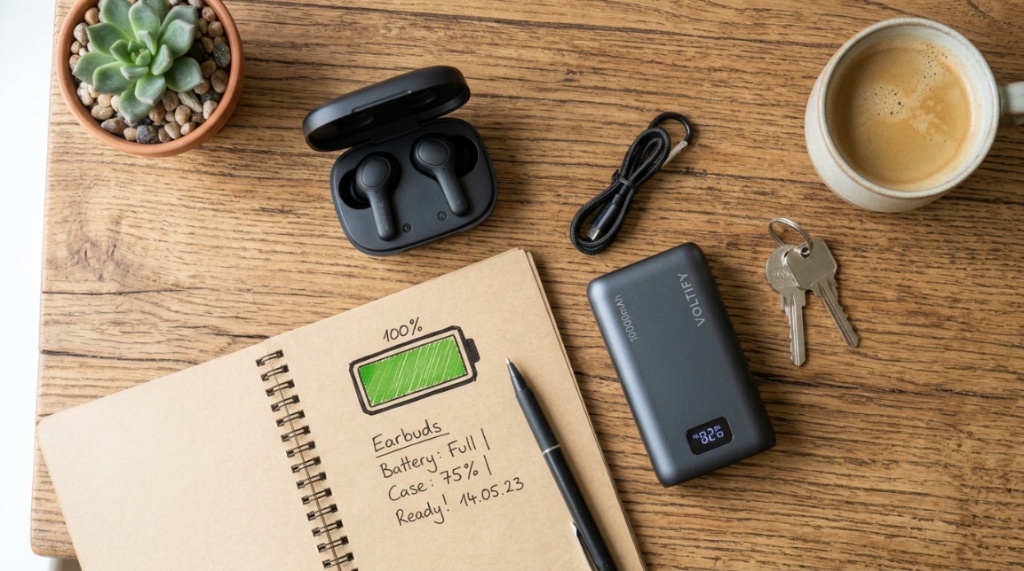
You’re about to hit the gym, but your earbuds keep falling out during burpees or dying halfway through your run. Sound familiar? Finding reliable audio gear for exercise is harder than it looks. The market is flooded with options, but not all are built to handle sweat, movement, and daily abuse. This guide cuts through the noise to help you compare the best true wireless earbuds for workouts in 2026. We’ll focus on real-world performance, from stability to battery life, so you can make a smart, confident purchase.
What Makes a True Wireless Earbud “Great” for Workouts in 2026?
The best workout earbuds must excel in four key areas: secure fit, sweat resistance, battery endurance, and intuitive controls. A great pair disappears into your routine—you shouldn’t have to adjust them mid-set or worry about moisture damage. Beyond specs, they need to deliver clear audio that motivates you without requiring constant volume adjustments.
Essential Features for Athletic Use
Look for an IP rating of at least IPX4 for sweat resistance, but IPX7 is better for heavy sweaters or outdoor rain. Secure fit comes from ear fins, wings, or a snug in-ear seal. Finally, touch controls should be responsive, even when your fingers are wet or gloved.
The Role of ANC and Transparency Modes
Active Noise Cancellation (ANC) is crucial for drowning out gym noise, while a good transparency mode lets you hear traffic or a trainer. In 2026, adaptive modes that adjust to your environment automatically are becoming a standard expectation for premium models.

Why Weight and Size Matter More Than You Think
Heavier earbuds cause fatigue over long sessions. Look for models under 6 grams per bud. A low-profile design also ensures they don’t catch on headbands or helmet straps—a small detail that matters during CrossFit or indoor cycling.
How Do You Test the Fit and Stability of Earbuds for Running and HIIT?
You cannot judge fit from product photos alone. The real test involves movement. To compare stability, simulate your workout at home: shake your head side-to-side, jump, and do a quick sprint. Earbuds should stay locked in place without needing constant readjustment. If they don’t pass this simple test, they’re not for you.
Recognizing the Best Ear Tip Designs
Multiple ear tip sizes (XS to XL) are non-negotiable. Also, consider materials—foam tips expand to fit, while silicone provides a standard seal. Hybrid tips combine both for a soft, secure feel. Test both to see which provides a better seal for your ear shape,Once you find the ideal pair, keeping them in top shape is essential—learn how to properly clean your Hello Kitty earbuds to maintain optimal sound quality and longevity.
Are Ear Wings or Fins Necessary?
For high-impact activities like jump roping or sprinting, yes. Ear wings act as an anchor against your ear’s outer ridge. Many athletes prefer models that offer both wing and fin options, allowing customizable pressure. If you’re doing yoga or lifting, a simple snug fit might suffice.
Testing Stability Through Real-Life Movements
Try the “multi-directional pressure test.” Push the earbud gently from different angles. If it moves more than 2mm, it will likely shift during exercise. Also, check the fit while chewing or yawning—your ear canal changes shape, and good earbuds should still hold.
Which Battery Specifications Actually Matter for Gym Sessions?
Battery life is more than just the number of hours. You need to calculate how long the earbuds last with ANC on, since that drains battery faster. Look for a total playback time of at least 24 hours with the charging case, and ensure a 10-minute quick charge gives you at least 1 hour of playback for forgotten charging days.
Understanding the Difference Between Case and Earbud Battery Life
The earbuds themselves should last 6–8 hours on a single charge. The case is a reserve tank—it should provide 2-3 full recharges. Pay attention to wireless charging support; having a Qi-compatible case means one less cable to carry in your gym bag.
Realistic Charging Speeds and Timeframes
Fast charging is a lifesaver. Check the specific time for a 5-minute quick charge. In 2026, many models refill 30% in five minutes. USB-C is standard, but proprietary connectors (like older pins) are now obsolete. Ensure the case uses a universal connector.
When Is Battery Life a Deal-Breaker?
If you train for over 2 hours daily, including marathon training or triathlons, forgo models under 8 hours per charge. Also, consider whether you often forget to charge a case—a longer earbud battery with a smaller case is sometimes more practical than a huge case you never bring.
How Does Sound Quality Differ Across Workout Earbuds?
Sound quality is subjective, but for workouts, you need a “V-shaped” sound signature—boosted bass for energy, but clear mids so podcast voices remain intelligible. Bass boost is essential, but if it distorts at high volumes, the earbuds are poor. Look at frequency response graphs if you want a detailed comparison.
Decoding Driver Sizes and Bass Response
Larger drivers (10mm-13mm) generally produce deeper bass, but tuning matters more. Dynamic drivers are standard, but some models now include dual drivers (one for bass, one for highs). Listen for hi-hat cymbals; they should sound crisp, not harsh.
Dialing in the Perfect EQ for Your Playlist
Most companion apps include a 5-band or 8-band equalizer. A good feature is preset modes for “workout,” “running,” “podcast,” and “bass boost.” Ensure the EQ adjusts in real-time—some cheap earbuds only apply EQ after pausing the audio, which is annoying.
Microphone Quality for Quick Calls at the Gym
You’ll get sweaty, but you might still take a call. Look for microphones with noise reduction technology (like cVc or ENC). Avoid earbuds with microphones that pick up your breathing heavily—test this by doing a quick sprint while on a call.
Can You Really Use Touch Controls With Sweaty Hands?
Yes, but not all touch controls are equal. Physical buttons are easy to press with wet hands, but they push the earbud deeper into your ear. Touch sensors are common, but they need to be responsive, not overly sensitive to accidental brushes. Look for “pressure-sensitive” touch zones that require deliberate taps.
Optimizing Gesture Customization
The best earbuds let you map controls: a single tap for pause, a double tap for the next track, and a triple tap for the previous. Volume control should be a swipe up/down. In 2026, many apps let you disable controls you accidentally trigger, like voice assistants.
Troubleshooting Unresponsive Buttons
If taps aren’t registering, check if you’re touching the right area—often the logo signifies the sweet spot. Also, update firmware; many connectivity bugs are fixed this way. If issues persist, disable the “wear detection” feature, which pauses music when you remove a bud, causing conflicts.
Which Is More Reliable: Touch Panels or Physical Buttons?
Physical buttons are nearly 100% reliable but require a firm press. Touch panels are sleek but can lag if your skin is wet. In our experience, high-end touch panels with “wet skin detection” work best for athletes. They register touches even when covered in sweat or water.
What Are the Top Connectivity Standards for Seamless Gym Use?
For 2026, Bluetooth 5.4 is the minimum for stable connections and lower latency. Multipoint connectivity—connecting to your phone and smartwatch simultaneously—is crucial if you leave your phone in a locker. Also, check codec support: AAC is standard for iPhones, while LDAC is better for Android users wanting high-res audio.
Bluetooth Codecs to Prioritize for Low Latency
Latency is critical for video workouts or apps like Peloton. Look for LLAC (Low Latency Audio Codec) or Qualcomm’s aptX Adaptive. Avoid standard SBC codecs, which have noticeable lag. For most, AAC is fine, but gamers or heavy video users need aptX LL.
Multipoint Pairing: Linking Phone and Watch Simultaneously
Imagine running with your phone at home and only your smartwatch. Multipoint lets earbuds connect to both. If you automatically switch between your laptop for meetings and phone for calls, this is indispensable. Without it, you constantly disconnect and reconnect—a hassle.
Quick Pairing and Connection Stability
Open the case lid, and earbuds should connect within 2 seconds. If they take longer, that’s a red flag. Also, ensure they don’t drop the connection when you put your phone in your back pocket. A good test is to walk away from your device to see the range (should be 30+ feet).
How Do You Choose Between Brand Ecosystems in 2026?
Choosing between Apple, Samsung, Sony, or niche sports brands isn’t just about specs—it’s about ecosystem integration. If you use an iPhone, the H2/H3 chip offers seamless switching. Android users should see if the brand supports Fast Pair or Swift Pair. Sports brands often have better battery but worse software.
Evaluating the Companion App Experience
The app is your control center. It should offer a clear battery percentage for each bud, an EQ, and the ability to find lost earbuds. A good app doesn’t require constant permissions or show excessive ads. Brands that neglect apps usually have poor firmware updates, leading to stability bugs.
When to Prioritize Cross-Platform Compatibility
If you own multiple devices (iPhone, Windows laptop, and Android tablet), choose earbuds with a universal Bluetooth stack. Avoid proprietary chips that require a specific OS. Check that an Android app exists if you’re on iOS—some brands only launch on one ecosystem first.
Are Budget Brands Worth It for Serious Athletes?
In 2026, budget brands (around $50–$80) have greatly improved. They offer decent IP ratings and battery, but they lack precise touch controls and adaptive ANC. For serious marathon training, a mid-range pair ($100–$150) offers the right mix. For casual gym-goers, budget options may suffice.
What Is the Ideal Price Range for Premium Workout Earbuds?
For premium features—consistent ANC, reliable touch controls, and excellent sound—you should expect to spend between $150 and $250. This range offers the best return on investment. Earbuds above $300 often have diminishing returns, mostly adding luxury materials or brand markup.
Assessing Value vs. Features for Your Budget
Make a list of “must-haves” like IP68 rating or specific fit. If you don’t need ANC, you can save $50. If you never make calls, save money on the mic quality. The sweet spot for most athletes is a model with an IPX5 rating, solid bass, and physical controls for around $120.
Where to Find Deals Without Sacrificing Quality
Check previous-generation models. The 2025 flagships are often 30% cheaper but share 90% of the features of 2026 models. Also, look for student or military discounts on major brands—this can save you 15% instantly. Avoid buying from unauthorized resellers to ensure warranty validity.
Warranty and Return Policies: The Hidden Value
Sweat damage is hard to prove. A good return policy (30 days+) is your best protection. Look for warranties that cover sweat damage, as some companies (like Jaybird) historically did. This is often worth an extra $20–$30 compared to a cheaper model with no warranty support.
Which Models Are Winning for Specific Sports and Workout Types?
There is no single “best” for everything. Runners need an open-ear or secure-fit option with wind-resistant mics. Lifters might prefer bone conduction to hear their surroundings. Swimmers need IPX8. Gym rats prefer in-ear with heavy ANC to block out clanging weights.
Best for Running and Jogging in 2026
Runners should prioritize a secure wingtip and a high ambient mode, especially if running outdoors. Models with Shokz bone conduction are popular, but true wireless in-ears with a transparency mode are close. Features include auto-pause when you stop and GPS cooperation through a watch.
Best for Yoga and Stretching
Yoga requires flexible noise options. You might not want ANC while in a quiet studio, but you want some seal. Look for simple controls to switch between modes without pulling out your phone. A low-profile case is also helpful to put between your mats.
Best for High-Intensity HIIT and CrossFit
HIIT demands the highest IP rating and secure fit. Sweat, chalk, and bumper plates are your enemies. So, prioritize IPX6/IPX7 and a robust design. Also, find earbuds with a “Find My” feature—I’ve lost more earbuds in a gym bag than anywhere else. Confused? Check this top true wireless earbuds workout resource for location-specific advice and buying guidance.
When Should You Replace Your Old Workout Earbuds?
If your earbuds are over three years old, they probably use Bluetooth 4.2 or 5.0, which is prone to interference in crowded gyms. Additionally, battery degradation is natural—if they only last an hour and a half, it’s time to upgrade. Also, if the silicone tips are torn or the mesh is clogged, sound quality will be poor.
Signs of Battery Auto-Discharge Issues
Those who notice their left earbud drains much faster than the right may have a hardware defect. This diminishes the experience. If you can’t get a balanced charge even after calibrating, it’s cheaper to upgrade than repair.
Ear Hygiene and Sanitation Factors
After a year of heavy use, you cannot fully clean the wax and bacteria from the nozzle mesh. This not only sounds bad but can cause infections. If you’ve had an ear infection and you’re using the same buds, throw them out.
Frequently Asked Questions
Are expensive earbuds always better for working out?
No, expensive earbuds are not always better. Many expensive models offer additional features like heart rate tracking that you may not use. For rigorous workouts, a mid-price pair with a durable design and good battery is often a better choice than a $300 luxury pair.
Can I use noise-canceling earbuds outdoors while running?
Yes, but you should only use them with transparency mode or ambient mode enabled. Full isolation can prevent you from hearing traffic, which is dangerous. Some 2026 models automatically switch to ambient mode when detecting movement.
What is the best ear tip material for sweaty ears?
Foam tips are generally better for grip, but they retain more sweat. Medical-grade silicone (like that used in high-end models) is easiest to clean and resists moisture breakdown. You can also purchase third-party tips, like Comply or SpinFit, to customize.
How do I stop my earbuds from falling out while jumping?
Use a model with a hook or ear wing. Insert the earbud, then twist it slightly upward to lodge it under the ridge of your ear. If they still fall out, your ear size may not be compatible—perhaps check smaller or larger ear tip sizes.
Is it safe to swim with true wireless earbuds?
Only if they have an IPX8 rating. Regular IPX5/IPX6 earbuds are not safe for swimming—they can handle sweat, not water pressure. For swimming, check specific models like the Sony Float Run or specialized bone-conduction headphones with waterproof enclosures.
What is IPX4 vs. IPX7?
IPX4 is rated for water splashes from any direction, so it’s useful for light sweat. IPX7 can be submerged in up to 1 meter of water for 30 minutes. For heavy workouts, IPX5 is the minimum we recommend; IPX7 is for outdoor sports in rain.
How long do workout earbuds typically last before breaking?
With proper care and high-end construction, about 2–3 years. The lifespan is largely determined by battery degradation, not hardware failure. Always store them in a clean, dry environment and charge them to 70% for long-term storage.
Conclusion
Finding the best gear for your training is about aligning features with your specific routine. Focus on the essentials—fit, durability, battery, and sound signature. Test your potential buys in real-life scenarios, not just in the product aisle. As the 2026 market offers more choices than ever, remember that a higher price doesn’t guarantee a better workout experience. Prioritize your needs, read reliable reviews, and if you’re in a specific region, check local buying resources. Your next workout deserves better than gear that holds you back. So, make a shortlist, start that trial, and feel the difference on your next run or gym session.