

The rise of self-driving cars has transformed how we think about transportation. Behind every autonomous vehicle lies a sophisticated network of sensors and data systems working together. Telemetry technology serves as the backbone of these intelligent machines, collecting and transmitting vital information in real time. Understanding how this technology works helps us appreciate the complexity of modern autonomous vehicles.
What Is Telemetry in Autonomous Vehicles?
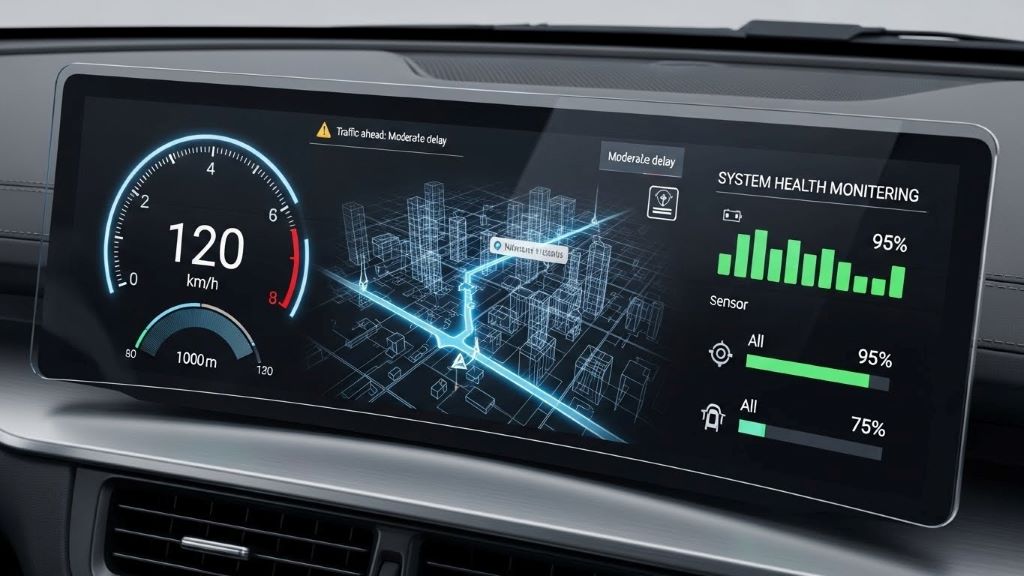
Telemetry refers to the automated process of collecting data from remote sources and transmitting it to monitoring systems. In autonomous vehicles, this technology gathers information from various sensors and components. The data includes speed, location, battery status, and system performance metrics. Additionally, telemetry captures environmental conditions like weather and road surface quality.
This constant flow of information enables the vehicle to make split-second decisions. Therefore, telemetry acts as the nervous system of self-driving cars. Without it, autonomous vehicles would lack the awareness needed to navigate safely.
Key Components of Telemetry Systems
Several essential components work together to create a functional telemetry system. Each piece plays a specific role in data collection and transmission.
Sensors form the foundation of telemetry technology. Cameras capture visual information about the surrounding environment. LiDAR sensors use laser pulses to create detailed 3D maps of nearby objects. Radar systems detect the distance and speed of other vehicles. Furthermore, GPS modules provide precise location data for navigation purposes.
The onboard computer processes all incoming telemetry data. This powerful processor analyzes information from multiple sources simultaneously. It then makes decisions based on programmed algorithms and machine learning models. Moreover, the computer coordinates responses across different vehicle systems.
Communication modules transmit data to external servers and cloud platforms. These connections allow vehicles to share information with manufacturers and traffic management systems. Consequently, this creates opportunities for continuous improvement and real-time updates.
How Telemetry Enables Safe Navigation
Safety remains the primary concern in autonomous vehicle development. Telemetry technology addresses this concern through multiple layers of data collection and analysis.
Real-time monitoring allows the vehicle to detect potential hazards immediately. For example, if another car suddenly brakes ahead, sensors register the change in distance. The telemetry system then calculates the appropriate response within milliseconds. This rapid processing prevents collisions and keeps passengers safe.
Redundancy built into telemetry systems provides additional security. Multiple sensors often monitor the same area from different angles. If one sensor fails or provides questionable data, others can verify the information. Therefore, the system maintains reliability even when individual components malfunction.
Predictive maintenance represents another safety benefit of telemetry. The system continuously monitors component health and performance. When wear patterns indicate potential failure, the vehicle alerts drivers or fleet managers. This proactive approach prevents breakdowns before they occur.
Data Collection and Analysis
Autonomous vehicles generate enormous amounts of data every second. According to Intel, a single autonomous vehicle can produce up to 4 terabytes of data per day. Managing this information requires sophisticated systems and strategies.
Edge computing processes much of this data directly within the vehicle. This approach reduces latency and enables faster decision-making. Only relevant information gets transmitted to cloud servers for long-term storage. However, some data undergoes immediate analysis to identify patterns and anomalies.
Machine learning algorithms improve continuously through telemetry data. These systems learn from millions of miles of driving experience. Each new scenario adds to the vehicle’s knowledge base. Subsequently, the autonomous system becomes more capable over time.
Data validation ensures accuracy and reliability. Multiple sources confirm each piece of information before the system acts on it. For instance, GPS data might be cross-referenced with visual landmarks and inertial measurements. This multi-layered verification prevents errors from corrupting the decision-making process.
Connectivity and Communication Networks
Modern telemetry systems rely heavily on wireless communication technologies. These networks enable vehicles to exchange information with infrastructure and other vehicles.
Vehicle-to-vehicle communication allows autonomous cars to share their intentions. One car might signal an upcoming lane change to vehicles behind it. Another might warn of sudden braking or obstacles ahead. This cooperative approach enhances overall traffic safety and efficiency.
Vehicle-to-infrastructure communication connects cars with traffic signals and road sensors. Smart traffic lights can adjust timing based on real-time traffic flow. Road sensors might alert vehicles to ice, construction, or accidents. Moreover, these connections optimize routes and reduce congestion.
5G networks provide the bandwidth necessary for advanced telemetry applications. The high-speed, low-latency nature of 5G enables near-instantaneous data transmission. This improvement supports more sophisticated autonomous features and better coordination between vehicles.
Privacy and Security Considerations
The vast amount of data collected by telemetry systems raises important privacy questions. Autonomous vehicles track location, travel patterns, and potentially even passenger conversations. Protecting this sensitive information requires robust security measures.
Encryption protects data during transmission and storage. Advanced algorithms ensure that intercepted information remains unreadable to unauthorized parties. Additionally, access controls limit who can view and use collected data.
Anonymization techniques remove personally identifiable information from datasets. This allows manufacturers to analyze driving patterns without compromising individual privacy. However, balancing data utility with privacy protection remains an ongoing challenge.
Cybersecurity measures defend against malicious attacks. Hackers might attempt to manipulate telemetry data or take control of vehicle systems. Therefore, multiple layers of security prevent unauthorized access. Regular software updates patch vulnerabilities as they’re discovered.
Industry Standards and Regulations
The autonomous vehicle industry continues to develop standards for telemetry systems. These guidelines ensure interoperability and safety across different manufacturers.
Government agencies worldwide are establishing regulatory frameworks. The National Highway Traffic Safety Administration provides guidance on autonomous vehicle safety in the United States. These regulations cover data recording, system performance, and emergency procedures. Compliance with these standards is mandatory for public road testing.
Industry consortiums work on technical standards. Organizations bring together manufacturers, technology companies, and researchers. They develop common protocols for data formats, communication methods, and safety procedures. Consequently, different autonomous systems can work together more effectively.
Certification processes verify that telemetry systems meet required standards. Independent testing organizations evaluate performance under various conditions. This validation gives consumers confidence in the technology’s reliability and safety.
Future Developments in Telemetry Technology
Telemetry systems continue to evolve rapidly. Several emerging technologies promise to enhance autonomous vehicle capabilities further.
Artificial intelligence advances will improve data interpretation. Next-generation systems will better understand complex scenarios and edge cases. They’ll also predict human behavior more accurately. These improvements will make autonomous vehicles safer and more reliable.
Quantum sensors may revolutionize data collection accuracy. These devices could provide unprecedented precision in measuring position, velocity, and environmental conditions. Although still in early development, quantum technology holds significant promise.
Satellite-based systems might supplement terrestrial networks. Direct satellite connections could provide coverage in remote areas where cellular networks are unavailable. This expansion would enable autonomous vehicles to operate anywhere.
Conclusion
Telemetry technology serves as the foundation of modern autonomous vehicle systems. It collects, transmits, and analyzes vast amounts of data to enable safe navigation. From sensors and processors to communication networks, each component plays a vital role. Privacy and security measures protect sensitive information while regulations ensure safety standards. As technology advances, telemetry systems will become even more sophisticated. This evolution brings us closer to a future where autonomous vehicles are commonplace on our roads.
Frequently Asked Questions
What types of sensors do autonomous vehicles use for telemetry?
Autonomous vehicles use cameras, LiDAR, radar, GPS, and ultrasonic sensors. Each type collects different information about the environment. Together, they provide a comprehensive picture that enables safe navigation and decision-making.
How much data does an autonomous vehicle generate?
A single autonomous vehicle can produce up to 4 terabytes of data daily. This includes information from sensors, cameras, and various monitoring systems. Most of this data is processed locally, with only relevant information sent to cloud servers.
Is the telemetry data from autonomous vehicles secure?
Modern autonomous vehicles use encryption, access controls, and multiple security layers to protect telemetry data. However, cybersecurity remains an ongoing concern. Manufacturers continuously update systems to address new threats and vulnerabilities.
Can autonomous vehicles operate without constant connectivity?
Yes, autonomous vehicles can function independently for short periods. They process most decisions locally using onboard computers. However, connectivity enables important features like traffic updates, software updates, and coordination with other vehicles.
How does telemetry improve autonomous vehicle safety?
Telemetry enables real-time hazard detection, redundant sensor verification, and predictive maintenance. The system processes information from multiple sources to make informed decisions. This multi-layered approach significantly reduces the risk of accidents and system failures.
Related Topics:
Troubleshoot Why Espn App TV Provider Not Working